A Tribe Called Quest Can I Kick It -
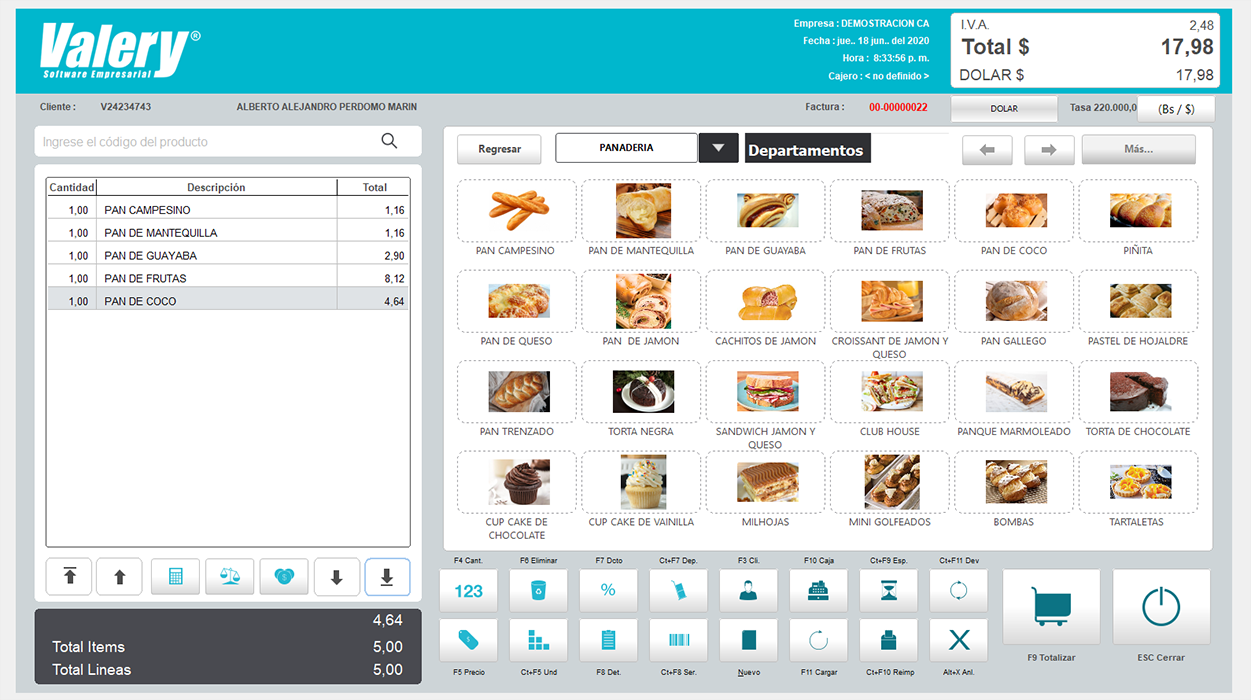
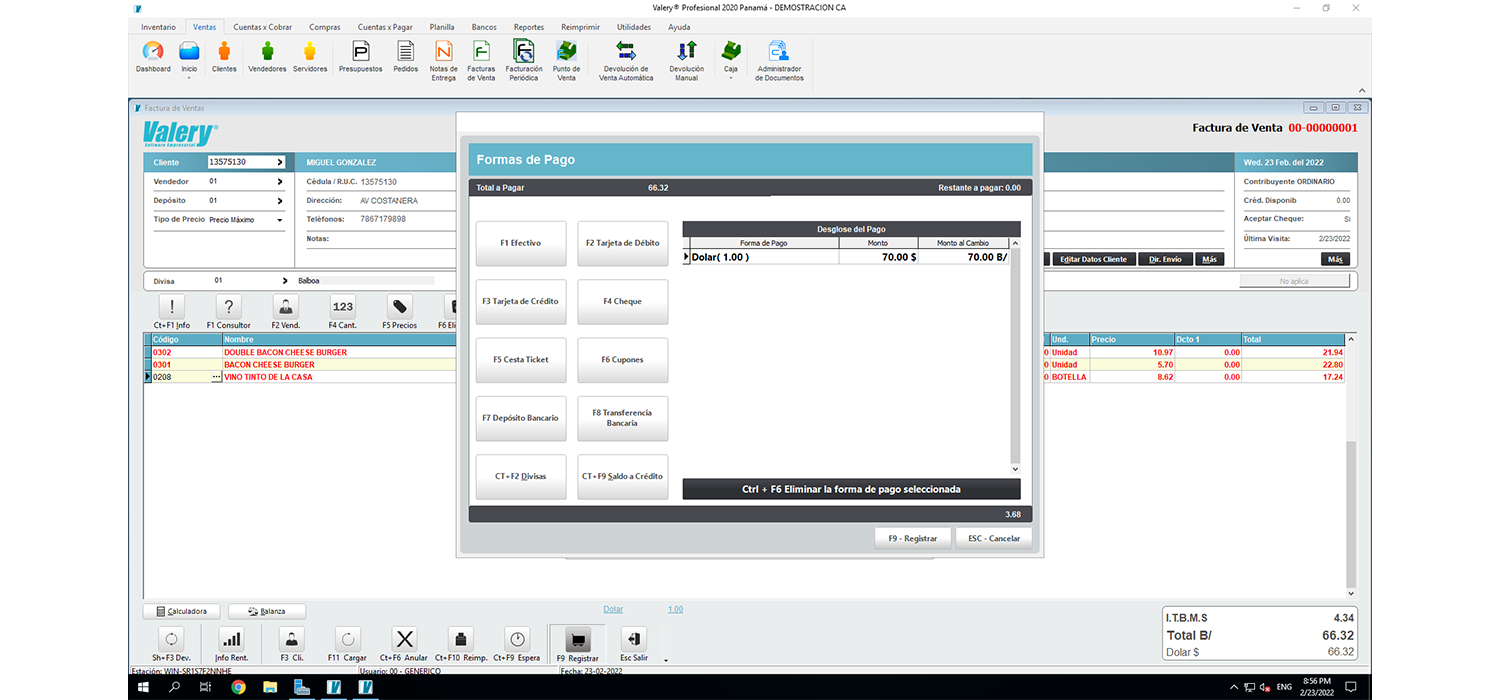
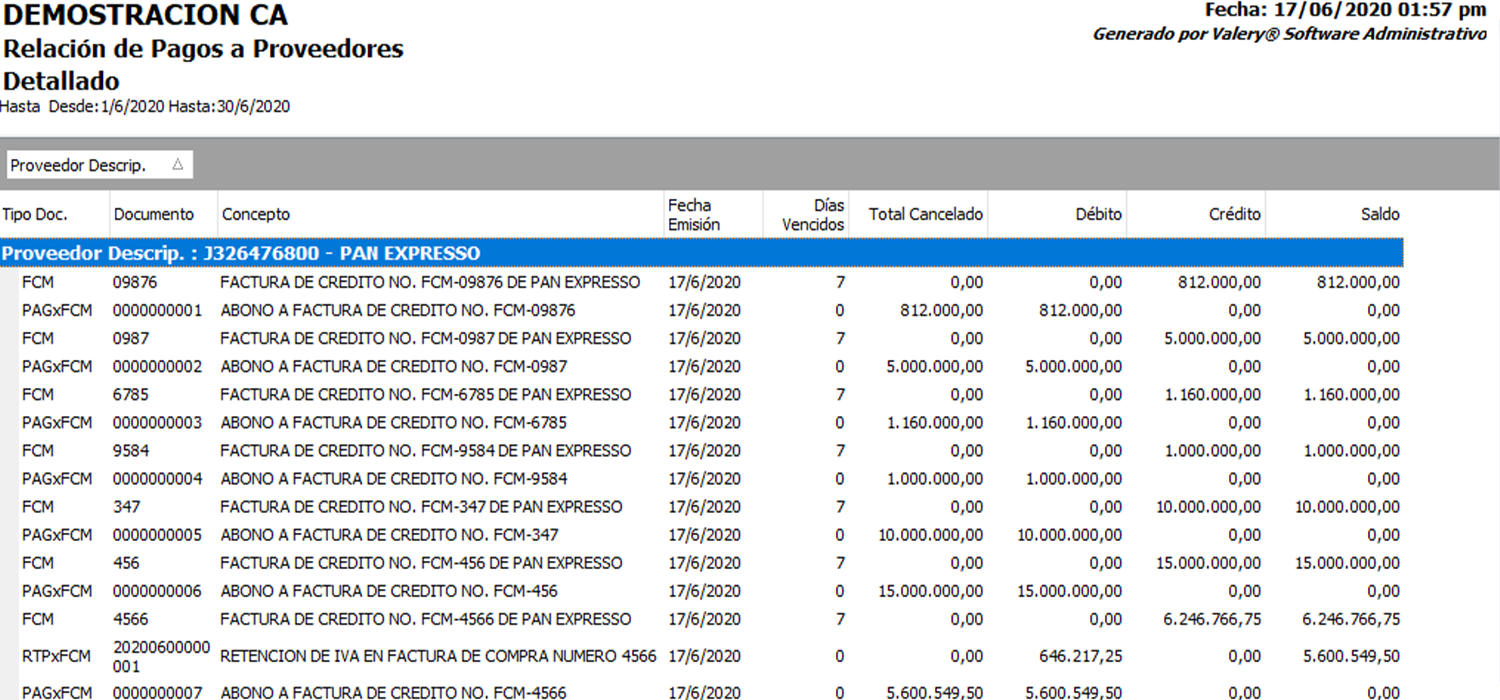
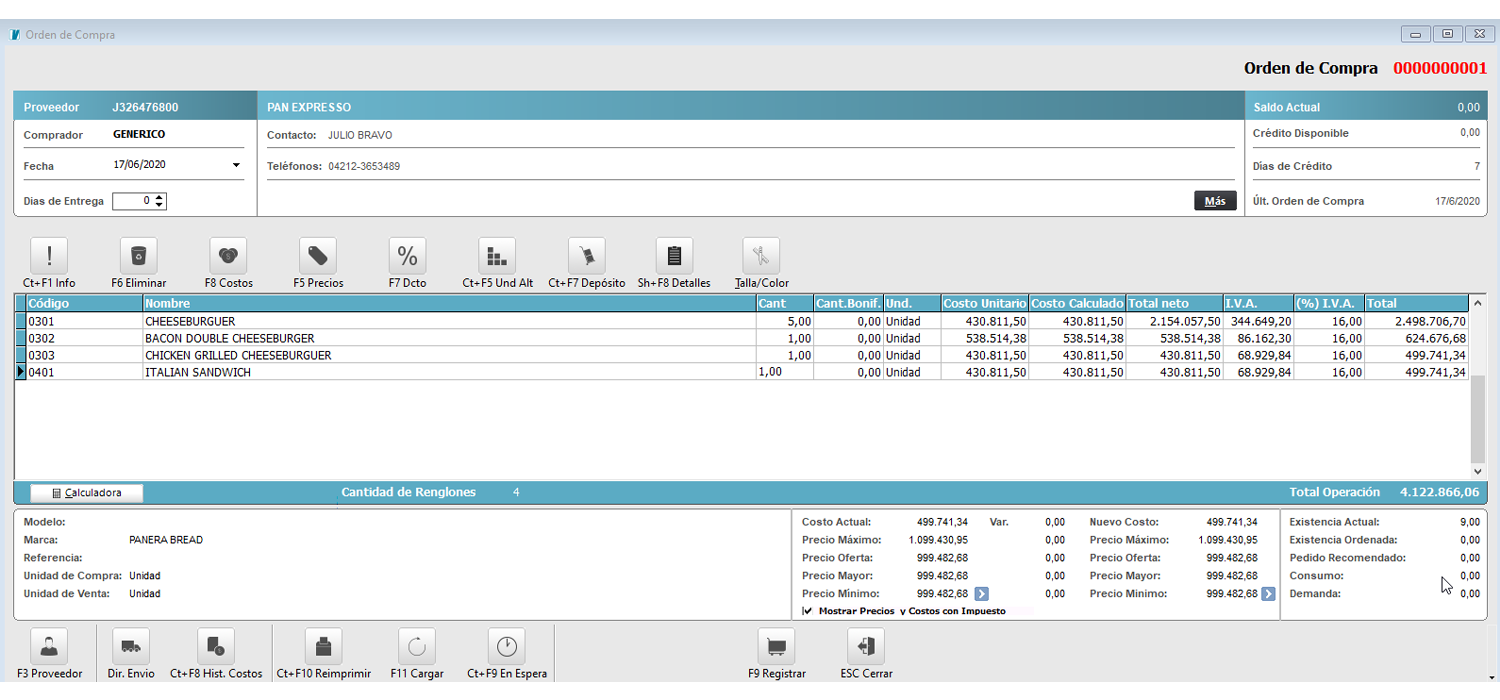
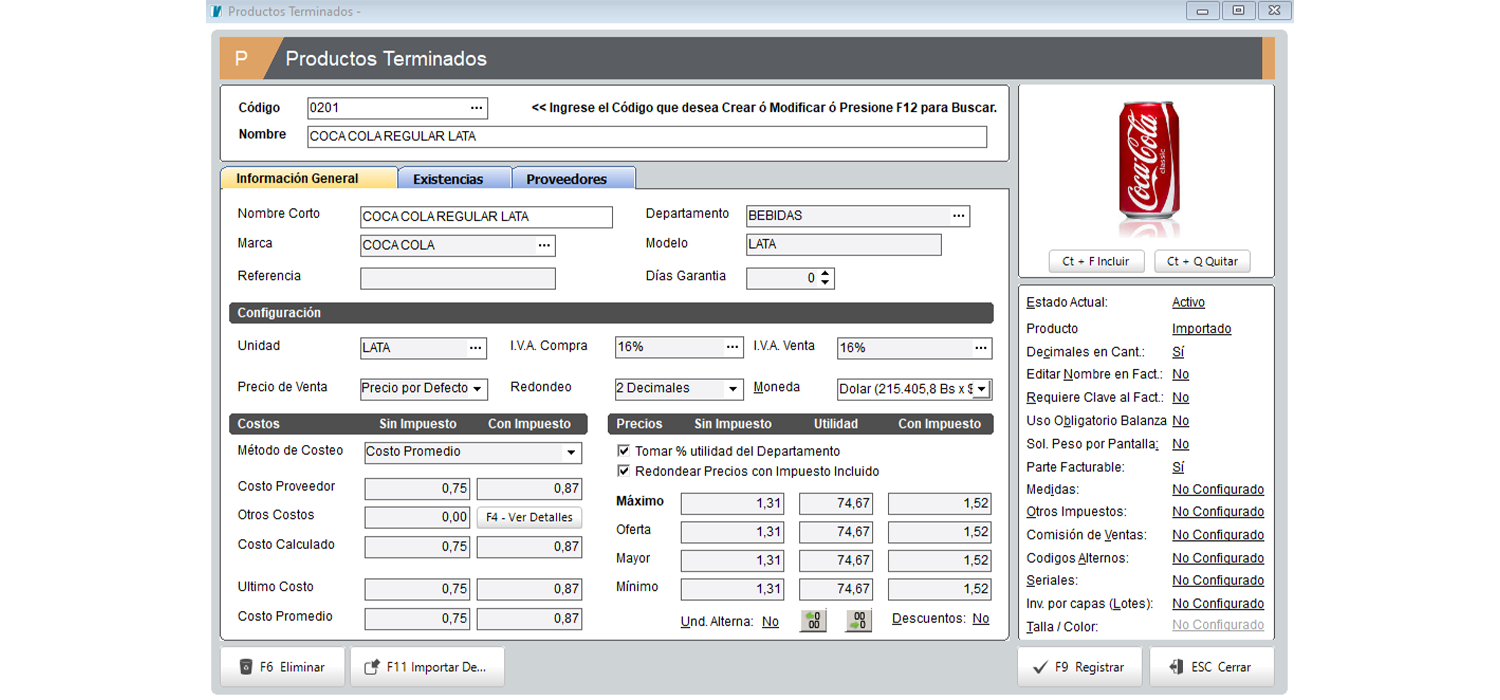
Valery® Estándar está diseñada para empresas que están comenzando y donde se requiere controlar básicamente las ventas, la compras y los inventarios de productos terminados.
AGENDAR DEMO EN VIVOValery® Estándar está diseñada para empresas que están comenzando y donde se requiere controlar básicamente las ventas, la compras y los inventarios de productos terminados.
AGENDAR DEMO EN VIVO








"Can I Kick It?" by A Tribe Called Quest is a masterclass in jazz-rap fusion that remains as fresh today as it was upon its 1990 release. Featured on their debut album, People’s Instinctive Travels and the Paths of Rhythm , the track is celebrated for its laid-back groove and positive, Afrocentric energy.
Classic Tracks: A Tribe Called Quest, “Can I Kick It?” - Mixonline
The song's backbone is its iconic, slinking bassline—a sample from 1972 hit "Walk on the Wild Side" . Interestingly, because the group didn't clear the sample initially, Reed reportedly took 100% of the publishing royalties , meaning the group never earned money directly from the track's sales.
As a cornerstone of the movement, the song helped legitimize hip-hop as an intellectual art form. Critics often describe it as a "party record with a conscience," bridging the gap between mainstream appeal and alternative depth.
and the late Phife Dawg exchange verses with an effortless, "buttery" flow.
¡Nos adaptamos a tu empresa!, por eso te ofrecemos herramientas integradas que te permiten personalizar y crear nuevas pantallas para mejorar tus procesos de ventas e inventarios.
"Can I Kick It?" by A Tribe Called Quest is a masterclass in jazz-rap fusion that remains as fresh today as it was upon its 1990 release. Featured on their debut album, People’s Instinctive Travels and the Paths of Rhythm , the track is celebrated for its laid-back groove and positive, Afrocentric energy.
Classic Tracks: A Tribe Called Quest, “Can I Kick It?” - Mixonline
The song's backbone is its iconic, slinking bassline—a sample from 1972 hit "Walk on the Wild Side" . Interestingly, because the group didn't clear the sample initially, Reed reportedly took 100% of the publishing royalties , meaning the group never earned money directly from the track's sales.
As a cornerstone of the movement, the song helped legitimize hip-hop as an intellectual art form. Critics often describe it as a "party record with a conscience," bridging the gap between mainstream appeal and alternative depth.
and the late Phife Dawg exchange verses with an effortless, "buttery" flow.