.svg)




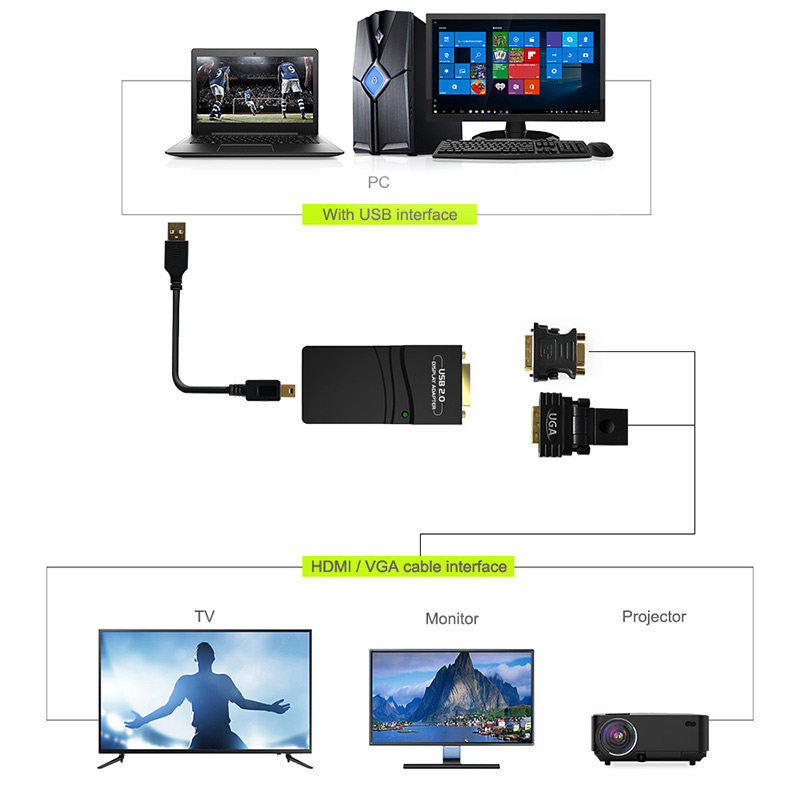
The adapter for multiple displays with mode extend. Just grab and go, the perfect travel companion and essential accessory for your trip around the world. Plug and play, maximum convenience.
WS-UG17D1
In the age of social media, the "party" is the viral cycle. When a public figure falls from grace or a social scandal erupts, the internet doesn't just observe; it celebrates. This is the "party" of the killers—a collective rush of dopamine triggered by the act of tearing someone down. The "killers" are not literal murderers, but the participants in and digital dogpiling who find communal joy in the destruction of an individual’s reputation or livelihood.
The irony White pointed out is that these digital executioners often believe they are acting out of righteousness. They "party" in the comments sections and on trending tabs, fueled by a sense of moral superiority. This creates a paradox where the pursuit of a "better" society is performed through acts of vitriol and exclusion. Performative Morality vs. Genuine Change
Perhaps the most dangerous aspect of this phenomenon is the "killing" of nuance. In a party, there is rarely room for a quiet, complex conversation. Similarly, the digital landscape demands binary takes: you are either a saint or a villain, an ally or an enemy.
By forcing every person and situation into these rigid categories, we "kill" the possibility of growth and redemption. We treat human beings like disposable content, discarding them once the thrill of the "hit" has worn off. This culture of disposal ensures that the cycle of outrage never stops, as the "party" requires fresh targets to sustain its energy. Conclusion