
Viaggio — Con Anita

The film’s screenplay was rooted in a very personal experience for Fellini: a trip he took to Rimini in 1956 for his father’s funeral. He collaborated on the initial script with Pier Paolo Pasolini and had intended for Sophia Loren to star. However, Fellini eventually abandoned the project to focus on La Dolce Vita . Two decades later, the rights were sold to producer Alberto Grimaldi, and Monicelli—the master of commedia all'italiana —took the helm. Plot and Character Dynamics

Guido represents the classic "Latin Lover" archetype—charming but fundamentally deceitful and trapped by traditional family expectations. Viaggio con Anita

The film sits at the end of an era for the "Comedy Italian Style," moving toward a more melancholic view of society where characters struggle to find genuine connection amidst their own falsehoods. The film’s screenplay was rooted in a very

This remains Hawn's only foreign-produced film, showcasing her ability to play a role that is both zany and emotionally grounding against a more cynical European backdrop. Two decades later, the rights were sold to

Monicelli strips away some of the surrealism one might expect from a Fellini script, instead applying his signature blend of humor and social pessimism.

The film features a notable score by the legendary Ennio Morricone , which helps balance the film's transition from light comedy to the more somber reflections on mortality and family.

The central irony is a man visiting his dying father while simultaneously cheating on his wife, highlighting the "liars" mentioned in the English title.
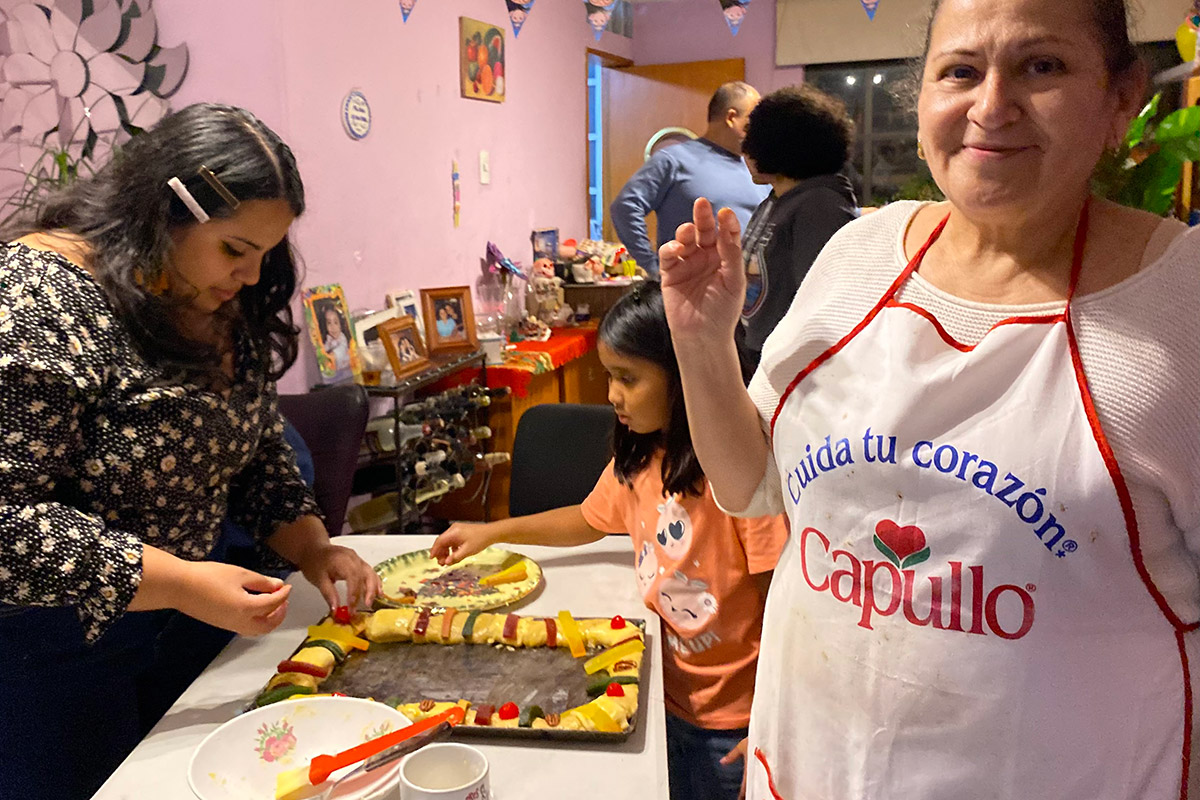
In the foreground, a woman wearing a white apron with a Spanish-language slogan smiles at the camera. Behind her, a young woman and young girl places strips of brightly colored fruit candy and nuts on top of a rectangular ring cake.

Dani and I decorate the Rosca de Reyes while my Tía Laura smiles.

Photo by Tomí García Téllez

The film’s screenplay was rooted in a very personal experience for Fellini: a trip he took to Rimini in 1956 for his father’s funeral. He collaborated on the initial script with Pier Paolo Pasolini and had intended for Sophia Loren to star. However, Fellini eventually abandoned the project to focus on La Dolce Vita . Two decades later, the rights were sold to producer Alberto Grimaldi, and Monicelli—the master of commedia all'italiana —took the helm. Plot and Character Dynamics

Guido represents the classic "Latin Lover" archetype—charming but fundamentally deceitful and trapped by traditional family expectations.

The film sits at the end of an era for the "Comedy Italian Style," moving toward a more melancholic view of society where characters struggle to find genuine connection amidst their own falsehoods.

This remains Hawn's only foreign-produced film, showcasing her ability to play a role that is both zany and emotionally grounding against a more cynical European backdrop.

Monicelli strips away some of the surrealism one might expect from a Fellini script, instead applying his signature blend of humor and social pessimism.

The film features a notable score by the legendary Ennio Morricone , which helps balance the film's transition from light comedy to the more somber reflections on mortality and family.

The central irony is a man visiting his dying father while simultaneously cheating on his wife, highlighting the "liars" mentioned in the English title.


Support the Folklife Festival, Smithsonian Folkways Recordings, Cultural Vitality Program, educational outreach, and more.

.